

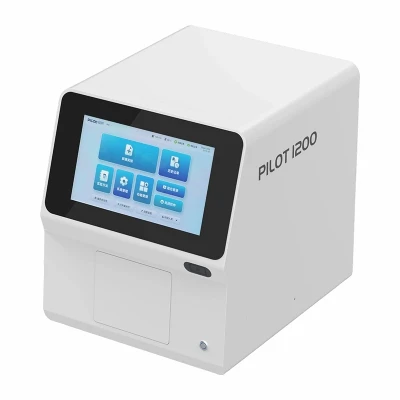


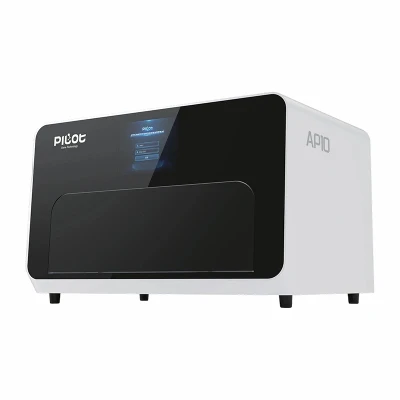

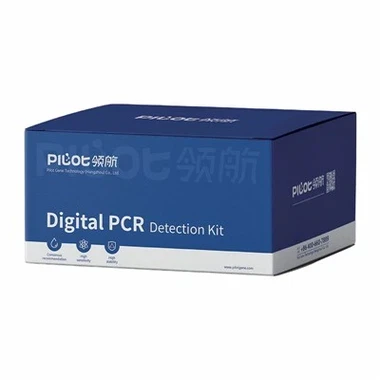


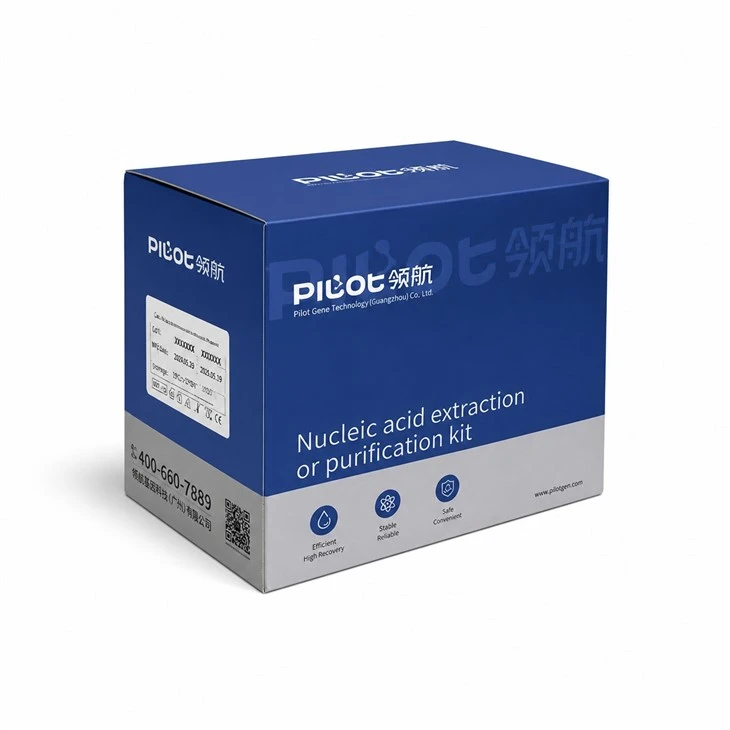


This CE-marked test kit features multiplex fluorescence detection technology, enabling absolute quantification of common bloodstream infection or sepsis pathogens and key drug resistance genes in a single assay with high sensitivity and specificity. When combined with a fully automated digital PCR platform, the entire sample-to-report workflow is completed in just 3 hours-delivering critical insights to guide early anti‑infective therapy.
Detection Scope
(I) Detection Targets (Divided into 4 Panels)
| Panel | Targets |
| One | Pseudomonas aeruginosa Klebsiella pneumoniae Escherichia coli Acinetobacter baumannii |
| Two | Staphylococcus aureus Enterococcus* Candida* Streptococcus* |
| Three | Stenotrophomonas maltophilia Enterobacter cloacae Proteus mirabilis Coagulase-negative staphylococci* Serratia marcescens |
| Four | KPC mecA OXA-48 NDM/IMP vanA/vanB |
Remarks:
*This target covers mutiple species within its detection scope. For more information, please refer to our instructions for Use (IFU).
(II) Applicable Sample Types
2-5 mL Peripheral Blood
Clinical Application Scenarios
Results in 3 hours – Rapid time-to-result for timely intervention.
Initial BSI screening–Early identification of bloodstream infections.
Early sepsis detection–Prompt alerts for critical cases.
Diagnostic support–Aids in clinical decision-making.
Dynamic monitoring–Track infection progression or treatment response.
No blood culture needed–Direct testing without culture delays.
Core Background of Sepsis
1.Definition: Infection+SOFA≥2 , a life-threatening organ dysfunction caused by a dysregulated host response to infection, which is a systemic infectious disease triggered by pathogens such as bacteria and fungi invading the bloodstream.
2.Core Challenges:
- High incidence: The incidence rate in developed countries is 437 per 100,000 people, 49 million in 2017 WHO data.
- High mortality: The mortality rate ranges from 20% to 50%, resulting in about 11 million deaths annually(WHO, 2017).
- High urgency for treatment: For every hour of treatment delay, the mortality rate increases by 7.6%; a 6-hour delay leads to a 58% rise in mortality.
- High medical costs: The average hospitalization cost is as high as $11,390, with an average of $502 per day.
Limitations of Traditional Blood Culture Detection
Long turnaround time:
Results typically take 2–3 days or longer.
Low Positive Rate
Positive cultures are detected in only approximately 10% of cases.
Risk of False Results
Susceptible to both false-negative and false-positive findings.
Contamination Prone
Sample contamination during processing is a significant concern.
Large Blood Volume
Requires 20–60 mL of blood per draw.
Limited Monitoring Utility
Not well-suited for tracking disease progression or treatment response.
Core Advantages of the Digital PCR Detection Kit
1, Rapid and Efficient – Results in just 3 hours from sample to answer, meeting the urgent clinical need for speed.
2,High Positive Rate – Delivers a ≥200% improvement in detection positivity compared to blood culture.
3,Small Sample Volume – Requires only 2–5 mL of whole blood.
4,Dynamic Monitoring – Enables tracking of pathogens and resistance genes, supporting timely and precise antimicrobial adjustments.
5,Easy to Operate – Fully integrated with the AP10 and AD3207 systems for a highly automated workflow.
6,Clinically Validated – Backed by extensive clinical trials, with medical consensus supporting its use for early sepsis screening in suspected patients.
Why Hours Matter: 3 Hours vs. 3 Days
| Time Point |
Our Solution (3 Hours) |
Traditional Blood Culture Workflow (2-3 Days) |
|
Hour 1 |
Sample collected; detection initiated. | Sample placed in culture instrument; microbial growth phase begins. |
|
Hour 3 |
Report issued - with pathogen ID, load quantification, and key resistance markers (e.g.,MRSA, ESBL) identified. Clinicians can initiate precise,targeted therapy immediately. | Blood culture may show early positivity (typically >12 hours),but cannot identify the pathogen or provide susceptibility data. Physicians continue empirical therapy without actionable guidance. |
|
Hours 12–24 |
Patient has received targeted therapy for 12-24 hours; early clinical improvement may already be observable. | Blood culture positivity confirmed; additional steps-smear and subculture -are initiated, requiring another 12-24 hours. |
|
Hours 48–72 |
Objective response assessment is possible by monitoring pathogen load changes, allowing timely therapy optimization. | Preliminary susceptibility results become available. Physicians begin adjusting antibiotics only now-2-3 days after sampling, during which the patient has remained on empirical therapy. |
Hot Tags: sepsis test kit, China sepsis test kit manufacturers, suppliers, factory, Non tuberculous Mycobacteri test kit, Bacteremia Test Kit, Bsi Test Kit, Invasive Fungal Test Kit, Rapid Sepsis Test Kit, Mycobacterium tuberculosis complex test kit


